


Brucella canis is a bacterial infection that primarily affects dogs and can, in rare cases, pose a risk to people.
Dogs


What is Brucella canis?
Brucella canis (often called B. canis) is a type of bacteria that can cause infection in dogs. It is endemic to some parts of the world, especially Eastern Europe, but is not thought to be widespread in the UK. However, dogs who have travelled or been imported from abroad can sometimes carry it.
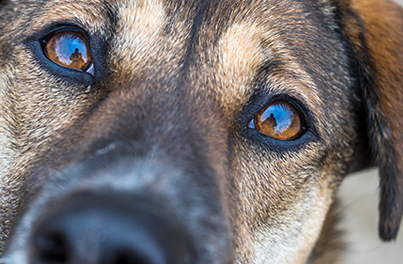
If your dog has ever had red, watery eyes, you know how concerning it can be. Eye issues aren’t just uncomfortable for your pet - they can also point to underlying health problems.

Reverse sneezing: understanding the snorting sound
The strange, honking sound known as reverse sneezing is probably familiar to everyone who has ever owned a dog.

If you've ever seen your dog with red, watery eyes, or have caught them squinting, or rubbing their face repeatedly, you know how alarming it can be.

Choosing the right bed for your dog is an important decision that directly impacts their comfort, sleep quality, and overall well-being.

What is Cushing's disease in dogs?
Dogs with Cushing’s syndrome produce excessive amounts of cortisol. This can have harmful effects on other organs and on the ability of the body to regulate itself.

As the temperature drops and winter sets in, it’s important to ensure your dog stays healthy, happy, and warm.

What is BOAS?
BOAS stands for Brachycephalic Obstructive Airway Syndrome. This syndrome is a pathological condition affecting short-nosed dogs and cats can lead to severe respiratory distress.

Diabetes is a metabolic disorder that affects the body’s ability to regulate blood sugar (glucose) levels, resulting in the level of glucose in the blood being too high or too low. Glucose is a crucial source of energy for cells and tissues in the body, and its levels are normally tightly controlled by the hormone insulin, which is produced in the pancreas.
Page 1 of 2

